
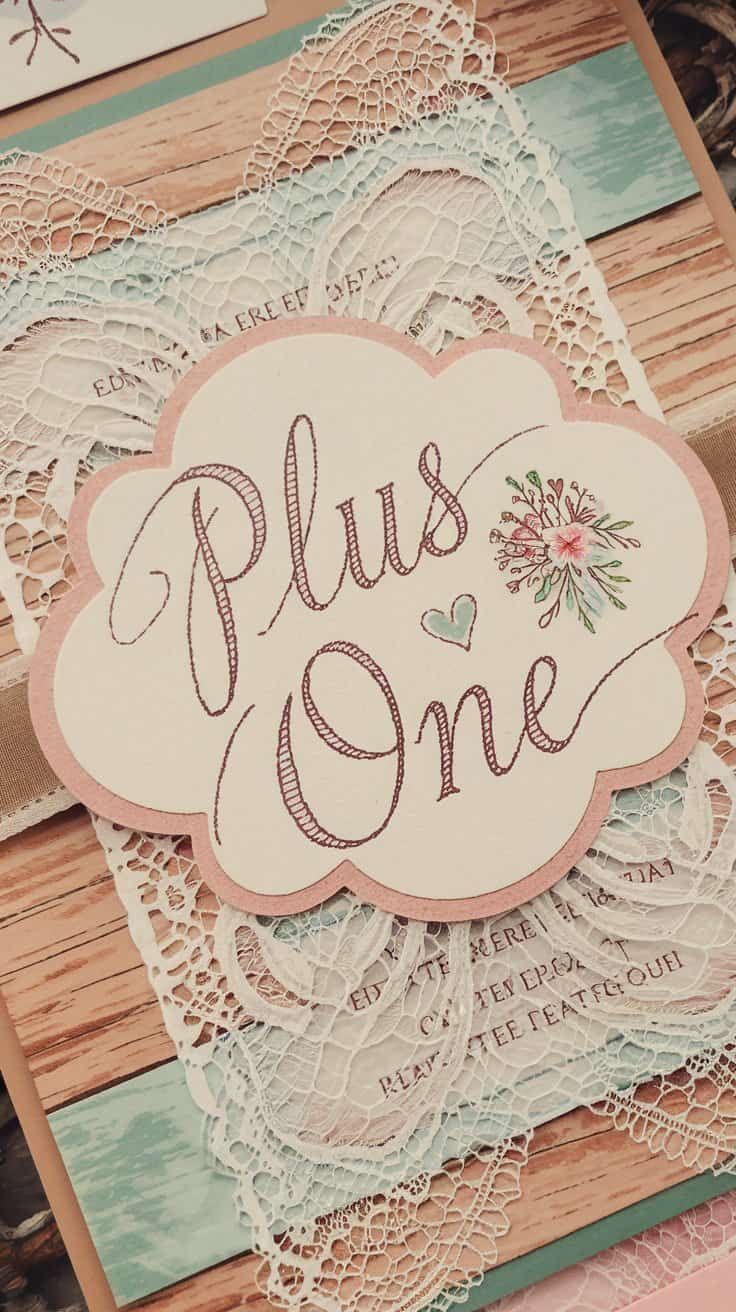
Knowing how to handle plus-one etiquette can feel tricky, but it’s simpler than it seems.
Always check with the host about their plus-one policy before making plans. This ensures you respect their wishes and avoid any awkward situations.
If you’re invited to a wedding or a formal event, it’s usually best to bring someone you trust or feel comfortable with.
Keep in mind that clear communication is key to navigating these social scenarios smoothly.
1. Understanding Plus-One Etiquette
Plus-one etiquette can seem a little tricky at times. It’s important to know the rules and who should get an invite. This ensures everyone feels comfortable and respected at events.
The Basics of Plus-One Invitations
A plus-one invitation means you can bring someone with you to an event. This invite often applies to weddings, parties, or formal occasions.
Here are a few key points about plus-one invitations:
- RSVP: Always check if your invitation includes a plus-one. Look for “plus one” or similar wording.
- Couples: If you’re dating someone seriously, it’s usually expected that they will be your plus-one.
- Plus-Ones for Singles: If you’re invited alone, you generally don’t get to bring someone unless stated.
Understanding these basics helps you respond appropriately to invitations.
Determining Who Gets a Plus-One
Not everyone can bring a guest, so it’s essential to understand who gets a plus-one.
Typically, the following people may be included:
- Serious Relationships: If you’re in a long-term relationship, it’s polite to allow your partner to attend.
- Close Friends: You might ask if a good friend can join you, especially if you think it will enhance the event for you.
- Guests of Honor: Sometimes, guests may have a unique relationship with the host that allows them to bring someone.
Always respect the host’s decisions about their guest list. It’s their event, and they may have certain reasons for limitations.
2. Crafting Your Guest List
Making your guest list is an important step in planning any event. You want to include the right people and keep everything balanced. Here are a couple of tips to help you out.
Balancing Numbers and Relationships
Start by deciding how many guests you can accommodate. This number will depend on your venue and budget.
Next, think about relationships. Consider who you want to invite and why.
- Close friends: These are the people you want by your side.
- Family members: Don’t forget those who are important to you.
- Coworkers or acquaintances: Only include them if it feels appropriate.
Try to balance your list between these groups. This helps foster a comfortable atmosphere for everyone.
Addressing Invitations Accurately
When sending out invitations, be clear about plus-one policies.
Use specific wording like:
- “You may bring a guest.”
- “Your invitation is just for you.”
Make sure your guests understand who is invited.
If someone asks about bringing a plus-one, politely stick to your rules.
Keep track of responses carefully. Create a table to organize your guest list. You might want columns for:
- Guest name
- Plus-one status
- RSVP status
This keeps everything clear and helps you manage the guest list effectively.
3. Communicating with Guests

Clear communication is essential when it comes to managing plus-one invitations. It helps prevent misunderstandings and ensures everyone feels included.
Setting Expectations Clearly
When inviting guests, it’s important to specify what to expect with the plus-one situation. Clearly state whether guests can bring someone and if there is a limit. Use polite language to express your thoughts.
For example, you might say,
“I’m excited to have you at the wedding! Please let me know if you’d like to bring a plus-one.”
Make sure to provide any additional details, such as the type of event or the venue, which can help your guest decide who to invite. This approach allows everyone to feel prepared and included.
Handling Sensitive Questions
Sometimes, guests may have questions about their plus-one. They might worry about who they can bring or if there are specific guidelines to follow. Be ready to answer honestly but kindly.
Use a friendly tone and encourage open dialogue. You can say,
“Feel free to ask any questions about the plus-one!”
If someone asks about inviting a friend rather than a partner, address it with understanding. You can explain that it’s a personal choice. This makes guests feel comfortable and valued.
4. Managing RSVPs
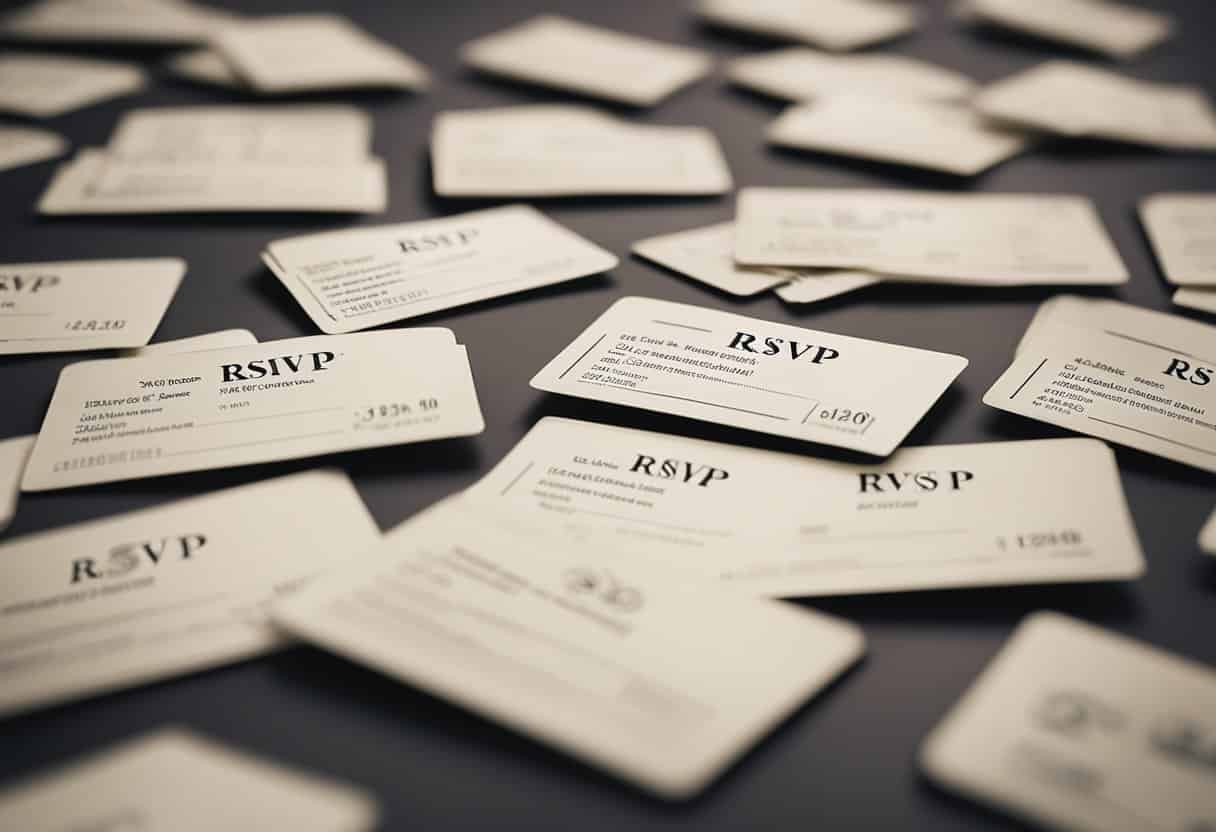
Managing RSVPs is an important part of planning your event. You need to keep track of who is coming, especially if they bring a plus-one. This helps ensure you have enough space and resources for everyone.
Tracking Responses and Plus-Ones
Start by creating a simple list or spreadsheet to track responses. You can set it up with these columns:
- Name
- RSVP Status (Yes, No, Maybe)
- Plus-One (Yes/No)
This makes it clear who is attending and if they are bringing someone. Send out your invitations with a clear deadline. This encourages guests to reply quickly. If they know they need to decide soon, it helps you plan better.
Keep in mind that not everyone will respond right away. It’s normal for some guests to take their time, so stay patient as you wait for their answers.
Following Up with Invitees
Don’t hesitate to follow up if you haven’t heard back. A friendly message can remind guests to RSVP. You might say something like, “Just checking in to see if you can join us!”
Make your follow-ups light and casual. This encourages a positive response. You can also offer a way for guests to easily confirm, like a simple online form or a quick text response.
If guests mention bringing a plus-one after their RSVP, politely ask them to clarify if they’re bringing someone. This ensures you have an accurate headcount and can accommodate everyone comfortably.
5. Day-of Coordination
On the day of the event, keeping everything running smoothly is key. This involves paying attention to seating arrangements and being ready for any last-minute changes. Here’s what you need to know to make sure everything goes well.
Seating Arrangements and Name Cards
Seating can affect how guests enjoy the event. Start by creating a simple seating chart. This will help your guests know where to sit.
- Gather your RSVPs to see who is attending.
- Group people who know each other to make conversations easier.
- Use name cards to clearly mark where each guest sits.
Place the name cards at each seat before the event starts. This helps avoid confusion. If you have a plus-one, make sure their name card is next to yours. This way, everyone feels included and comfortable.
Last-Minute Changes and Surprises
Sometimes, unexpected changes happen on the day of the event.
Being prepared for these surprises will help you stay calm.
- Have a backup plan for guests who may not show up.
- If someone brings an uninvited guest, try to accommodate them with seating or food.
Stay flexible and positive. It can help create a fun atmosphere despite any changes.
Keep your phone handy to communicate with vendors or helpers as needed. This will help you adjust quickly and keep everything on track.