
Pickleball parties are becoming a huge hit with kids of all ages! Planning one combines the joy of this popular sport with the excitement of a social gathering.
Hosting a successful pickleball party for children requires thoughtful preparation that balances fun activities with appropriate safety measures to ensure everyone has a great time.
You might be surprised at how easily children pick up pickleball basics, making it perfect for parties. The smaller court size and slower pace (compared to tennis) creates an inclusive environment where kids can learn quickly and enjoy immediate success.
Plus, the equipment is lightweight and kid-friendly!
When planning your pickleball party, consider your young guests’ ages and skill levels. You’ll want to create a schedule that alternates between organized games and free play.
Remember to include plenty of breaks for hydration and snacks to keep energy levels high throughout the festivities.
Planning Your Pickleball Party
A successful pickleball party requires thoughtful planning to ensure kids have fun while staying safe. Taking time to organize the details will help create an event that children will remember.
Setting Goals and Expectations
Think about what you want to achieve with your pickleball party. Are you introducing kids to the sport for the first time? Or celebrating a birthday with pickleball-loving friends? Setting clear goals helps shape your event.
Consider the age range of participants. Younger children (6-9) might need simplified rules and shorter game times. Older kids (10-13) can handle more competitive play.
Decide how long your party should last. Two hours works well for most kid events—enough time for instruction, play, and snacks without exhaustion setting in.
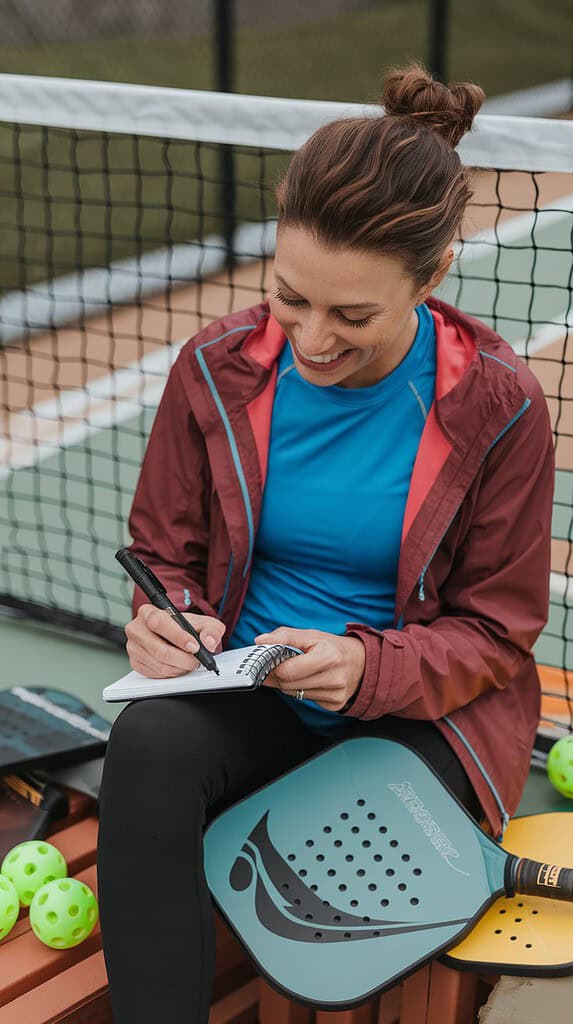
Set a budget early. Factor in court rental, equipment, food, decorations, and possible party favors.
Selecting a Date and Venue
Choose a date that works for most families. Weekend mornings or early afternoons typically work best for kids’ events.
Weather plays a crucial role for outdoor courts. Always have a backup plan or rain date if using outdoor facilities.
When selecting a venue, consider these options:
- Public parks with pickleball courts
- Recreation centers
- Schools with gymnasium access
- Private pickleball clubs (may offer party packages)
Call ahead to reserve courts. Many public facilities allow reservations 1-2 weeks in advance.
Check what amenities your venue offers. Do they have restrooms, shade, and seating for parents? Will you need to bring portable chairs or canopies?
Building Your Invitation List
Start by determining how many children you can comfortably accommodate. A good ratio is one adult supervisor for every 4-6 kids, depending on their age.
For beginners, smaller groups of 8-12 children work best to ensure everyone gets enough playtime and instruction.
Consider inviting children of similar ages and skill levels. This helps create balanced games and appropriate challenges for everyone.
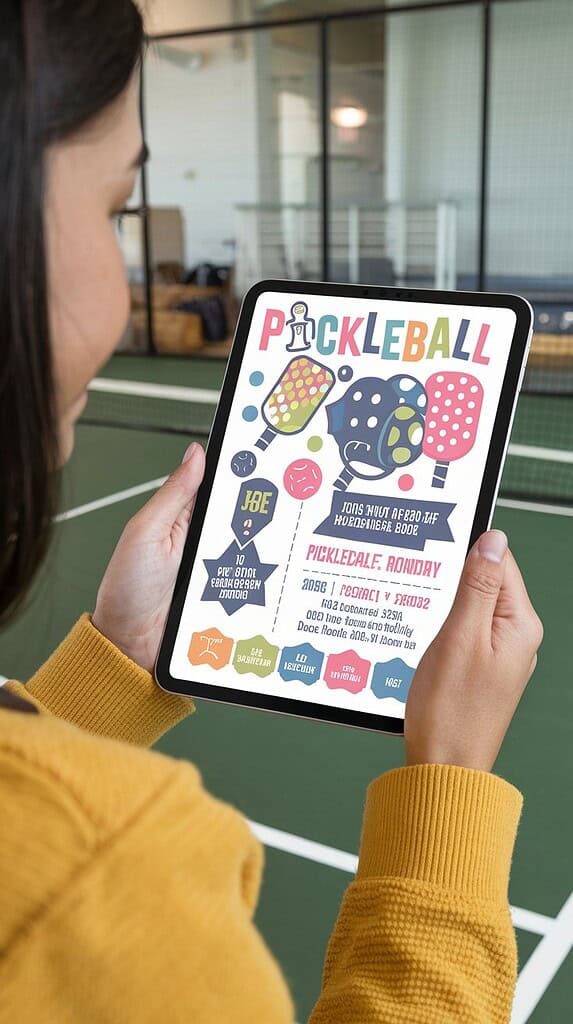
Send invitations 2-3 weeks before the party. Include essential details like:
- Date, time, and location
- What to wear (athletic clothes, sneakers)
- What to bring (water bottle, hat for sun protection)
- RSVP deadline and contact information
- Whether parents should stay or can drop off
Digital invitations work well and allow you to send reminders as the date approaches.
Safety Measures for a Kid-Friendly Environment
Creating a safe environment is essential when hosting a pickleball party for children. Safety planning helps prevent injuries and ensures everyone has a good time without unexpected problems.
Safety Gear and Equipment
Always require proper footwear for all participants. Tennis shoes or court shoes provide the grip and support kids need to prevent slips and falls. Avoid sandals, flip-flops, or dress shoes that can lead to twisted ankles.
Make protective eyewear mandatory. Kids’ eyes are especially vulnerable to fast-moving balls, and proper sports goggles can prevent serious injuries.
Choose age-appropriate paddles. Lighter, smaller paddles designed for children make playing easier and reduce the risk of strain injuries.
Keep a first aid kit courtside containing:
- Band-aids in various sizes
- Antiseptic wipes
- Ice packs
- Athletic tape
- Child-appropriate pain relievers
Pinterest image idea: A smiling woman helping a young girl adjust her protective eyewear while holding colorful child-sized pickleball paddles.
Supervision and Emergency Preparedness
Maintain an appropriate adult-to-child ratio. One adult supervisor for every 4-6 children is recommended, depending on the children’s ages and experience levels.
Establish clear boundaries and court rules before play begins. Write them on a colorful poster board and review them with all participants.
Create a buddy system where kids are paired up and responsible for keeping track of each other during activities. This promotes safety awareness and teamwork.
Have emergency contact information for each child readily available. Create a simple form that parents complete before the party with:
- Parent/guardian phone numbers
- Medical conditions or allergies
- Emergency contact information
Keep plenty of water available to prevent dehydration. Set up a hydration station with labeled water bottles for each child.
Pinterest image idea: A woman setting up a safety station with first aid kit, emergency contacts binder, and colorful water bottles while kids play pickleball in the background.
Age-Appropriate Modifications
Adjust the court size for younger players. For children under 10, consider using a smaller playing area to make movement more manageable and reduce fatigue.
Lower the net height for very young players. A standard net is 36 inches at the sidelines and 34 inches at center, but for kids 5-7 years old, consider lowering it by 2-4 inches.
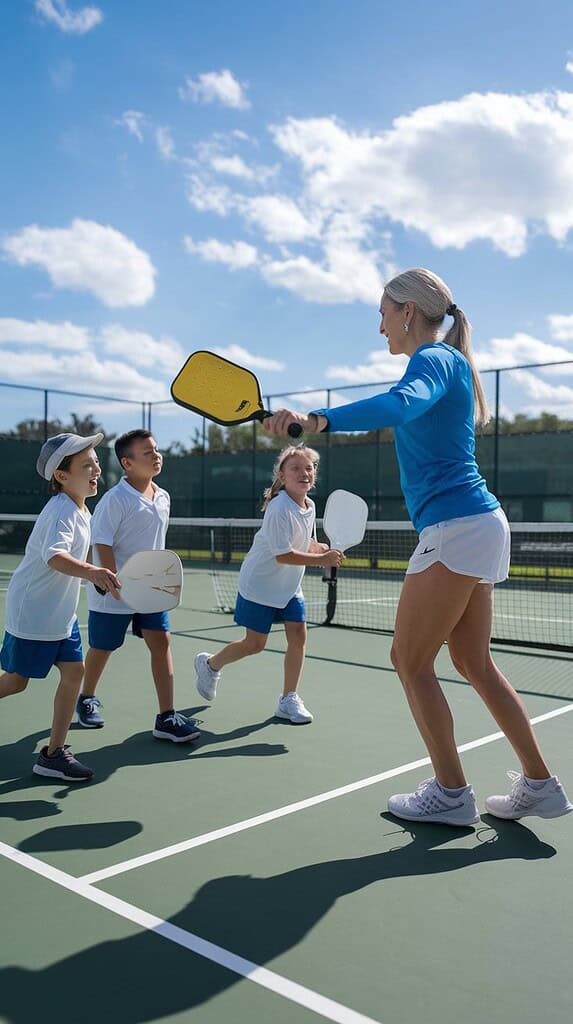
Use softer balls for beginners and younger children. Foam balls or perforated plastic balls move slower and reduce the risk of injury when they make contact.
Modify rules to keep the game fun and safe. Allow younger children two bounces instead of one, and remove scoring pressure for novice players.
Create rotation stations so kids aren’t playing continuously. Include water breaks, stretching areas, and skill-building activities to prevent overexertion.
Fun Pickleball Activities and Games
Getting kids excited about pickleball involves more than just playing the standard game. You’ll want to incorporate fun variations, team-building activities, and creative side games to keep their interest high and energy flowing.
Pickleball Drills for Kids
Start with simple drills that build essential skills while feeling like games. “Follow the Leader” is perfect for beginners – you demonstrate a shot and kids try to copy it exactly. This builds watching and mimicking skills in a fun way.
“Dink Tag” helps improve soft shots. Kids take turns trying to hit a specific target on the court with gentle dink shots. When someone succeeds, everyone moves to a new position.
“Balloon Pickleball” slows down the game for younger players. Replace the ball with a balloon to give kids more reaction time. It’s hilarious to watch and builds confidence.
“Four Corners” has kids rotate through different court positions after each point, ensuring everyone gets practice in all areas of the game.
Team Formation and Spirit Building
Create team names and colors to build excitement. Let kids design their own team bandanas or wristbands using fabric markers. This gives them ownership of their team identity.
Try “Partner Challenges” where pairs work together to complete tasks like rallying for 10 consecutive shots. This builds cooperation and communication skills.
“Cheer Creation” gives teams five minutes to create a supportive team chant. This activity encourages creativity and builds team spirit before competition begins.
Consider a “Skills Relay” where each team member completes a different pickleball skill before tagging the next person. This combines individual skills with team cooperation.
End with a “High Five Line” after games where teams congratulate each other, teaching good sportsmanship in a fun way.
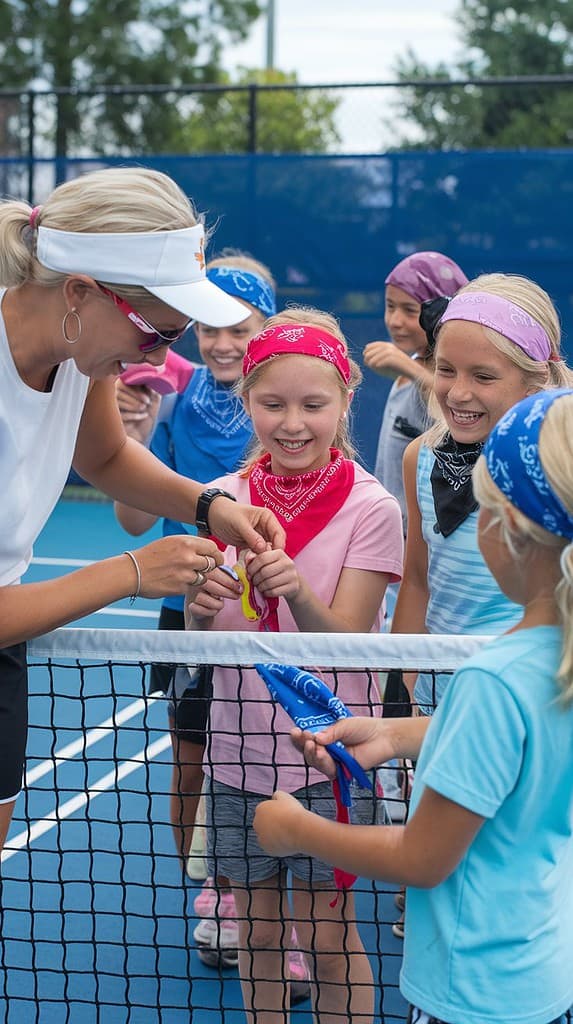
Creative Side Activities
Set up a “Design Your Paddle” station with washable markers and paper paddle cutouts. Kids can express their creativity between games while resting.
“Pickleball Bingo” gives players cards with skills to watch for during matches. When they spot someone performing a skill, they mark it off. First to complete a row wins a small prize.
Create a “Victory Dance Zone” where kids can celebrate winning points with silly dance moves. This adds laughter and reduces pressure about winning or losing.
Try “Water Balloon Pickleball” on hot days. Replace regular balls with water balloons for a refreshing twist that still practices hand-eye coordination.
“Obstacle Course Pickleball” combines fitness with skill development by having kids navigate simple obstacles before hitting the ball.
Fostering a Positive and Inclusive Atmosphere
Creating an environment where all kids feel welcome and excited to participate is essential for a successful pickleball party. The right atmosphere helps children learn important social skills while having fun.
Encouraging Good Sportsmanship
Good sportsmanship forms the foundation of any enjoyable pickleball party. Teach kids to congratulate opponents on good shots and to shake hands after matches.
Set clear expectations about behavior before play begins. You might say, “In our games today, we cheer for everyone and never make fun of mistakes.”
Create a “Spirit Award” that recognizes the player who shows the best attitude, not just skill. This shifts focus from winning to how we play the game.
Consider making small cards with sportsmanship reminders that kids can reference. Include phrases like “Great shot!” or “Nice try!” to encourage positive communication.
Pinterest image idea: Woman coach kneeling beside smiling children in a huddle, showing thumbs up with “Kindness Wins” text overlay
Recognizing Individual Achievements
Every child has different strengths worth celebrating. Notice improvements in each player, not just those who score points.
Create achievement cards for various skills: “Best Serve,” “Most Improved,” “Helpful Teammate,” or “Positive Attitude.” This ensures every child feels seen.
Take photos of kids playing and create a small digital album to share. Seeing themselves in action builds confidence and creates lasting memories.
Set up a “progress wall” where kids can add stickers when they master new skills. This visual reminder shows growth throughout the party.
Pinterest image idea: Woman coach presenting colorful certificate to excited young girl holding pickleball paddle with “Celebrate Every Step” text overlay
Promoting Teamwork and Fair Play
Pickleball offers natural opportunities for teamwork, especially in doubles play. Rotate partners frequently so kids learn to adapt to different playing styles.
Create team challenges that require cooperation rather than only competition. For example, “How many volleys can your team complete together?”
Introduce a “buddy system” where more experienced players help newer ones. This builds leadership skills and creates meaningful connections.
Consider adding cooperative games like “Around the World,” where all players work together to keep the ball in play as long as possible.
Pinterest image idea: Woman instructor watching diverse group of children high-fiving after pickleball match with “Together We Grow” text overlay
Catering and Decorations for a Festive Mood
Creating the right atmosphere for your pickleball party involves thoughtful food choices and decorations that excite kids while keeping the event running smoothly.
Choosing Kid-Friendly Food Options
When planning your menu, focus on easy-to-eat foods that provide energy without weighing kids down during play. Finger foods work best since children can grab and go.
Popular Options:
- Mini sandwiches (peanut butter & jelly, turkey & cheese)
- Fresh fruit skewers with yogurt dip
- Veggie sticks with hummus
- Cheese cubes and crackers
- Homemade energy balls (dates, oats, and nut butter)
Provide plenty of hydration options too. Set up a drink station with water bottles, sports drinks, and fruit-infused water. Consider freezing some water bottles to keep them cold throughout the event.
Avoid messy foods like chocolate or sticky sweets that might get on equipment or courts. Individual packaging helps with portion control and minimizes sharing germs.
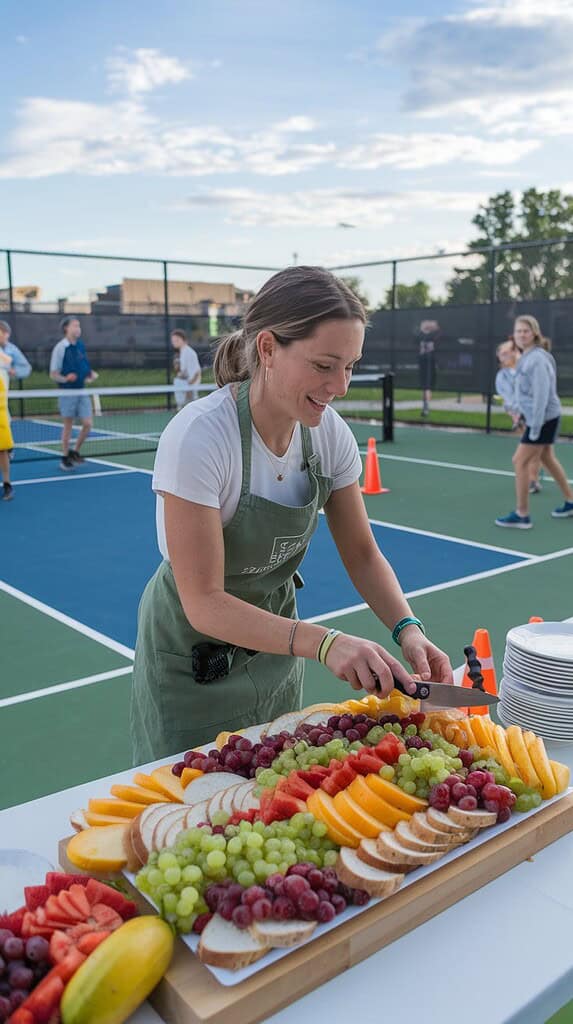
Theming Your Party Setup
A themed setup makes your pickleball party more memorable and exciting for kids. Use the sport itself as inspiration for your decorations.
Decoration Ideas:
- Pickleball-colored balloons (yellow, green, blue)
- Banner with each child’s name
- Table coverings in bright court colors
- DIY scoreboard for displaying tournament results
- Chalk court outlines on sidewalks leading to the party area
You can create a special “winner’s circle” area with a backdrop for photos. This becomes a fun spot for kids to celebrate victories and take memorable pictures.
Make sure your decorations are secured properly, especially if playing outdoors. Wind can quickly turn balloons and banners into distractions during gameplay.
Party Favors and Memorabilia
Send kids home with meaningful mementos that extend the fun beyond your party.
Focus on useful items related to pickleball or physical activity.
Party Favor Ideas:
- Mini pickleball paddles with kids’ names
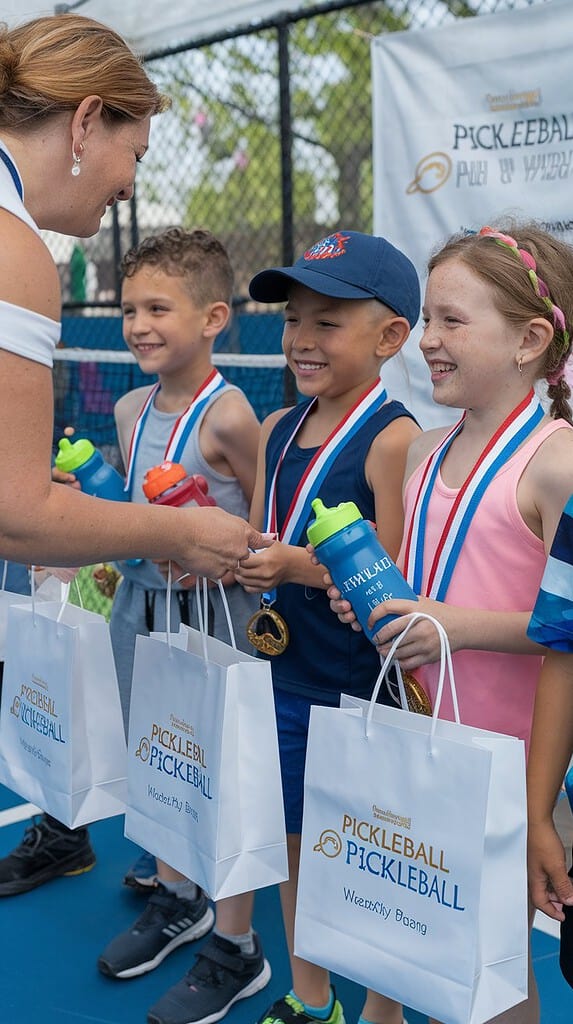
- Custom water bottles
- Medal or certificate for participation
- Team photos in DIY frames
- Pickleball-themed stickers or temporary tattoos
Consider creating a “tournament passport” where kids can collect stamps for different activities they complete during the party.
This becomes a cherished keepsake.
You might also set up a DIY photo booth with pickleball props where kids can take fun pictures.
Print these instantly or send digital copies to parents after the event.