

Planning a destination wedding is a big decision that can create beautiful memories but also comes with challenges.
You’ll need to weigh the dreamy backdrop of a beach ceremony against the logistics of getting your loved ones to travel far from home.
Destination weddings offer unique experiences and often stunning photography, but they typically result in smaller guest lists and can put financial strain on those you invite.
Many couples find that destination weddings actually save money compared to traditional local ceremonies, with some resorts offering affordable packages that include planning services.
You might also enjoy extended time with guests who make the journey, creating a mini-vacation atmosphere that lasts for days instead of hours.
However, not everyone you love will be able to attend due to financial constraints, schedule conflicts, or travel limitations.
You’ll need to consider your priorities carefully – is having everyone present more important than your dream location? Your decision should reflect what matters most for your special day.
Understanding Destination Weddings
Destination weddings transform your special day into an unforgettable experience in a beautiful location away from home. They combine your ceremony, reception, and honeymoon while creating a unique getaway for you and your guests.
Defining the Concept
A destination wedding happens when you choose to get married away from your hometown. This could be a tropical beach in the Caribbean, a historic castle in Europe, or a scenic mountain resort a few hours from home. The key element is that most guests travel to attend.
These weddings typically last longer than traditional ones. Instead of just one day, you might plan a 3-5 day celebration with welcome parties, excursions, and farewell brunches. Many couples choose all-inclusive resorts that handle planning details.
You can make your destination wedding as formal or casual as you like. Some couples opt for barefoot beach ceremonies while others create elegant affairs in luxurious settings.
Popularity Trends
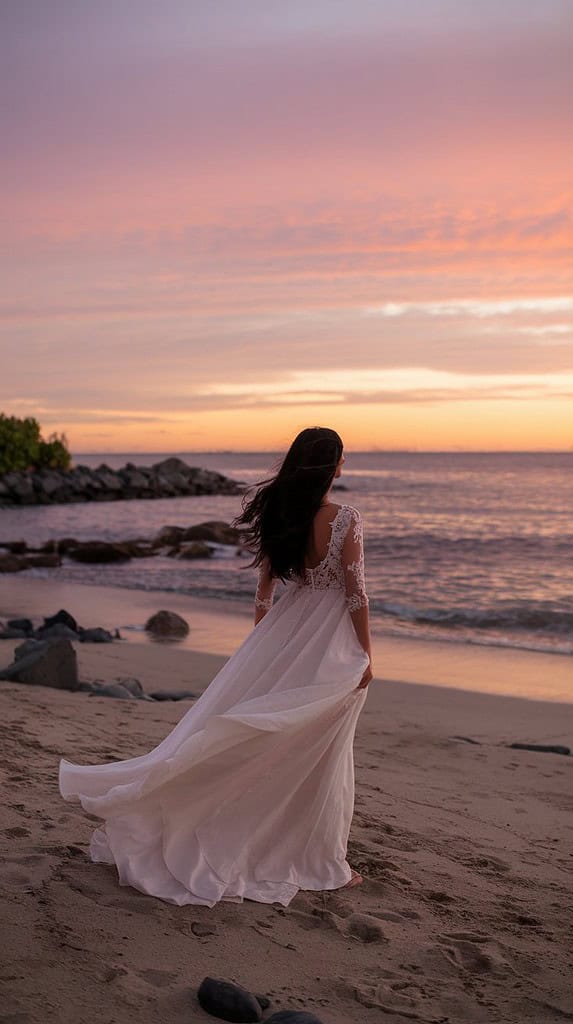
Destination weddings have grown increasingly popular over the past decade. About 25% of couples now choose this option, up from just 10% in 2010. The pandemic briefly paused this trend, but numbers are now exceeding pre-2020 levels.
Mexico and the Caribbean remain top choices due to their beautiful beaches and affordable packages. However, domestic destinations like Florida, Hawaii, and California are gaining popularity for being more accessible to guests.
Popular Destination Wedding Locations:
- Riviera Maya, Mexico
- Punta Cana, Dominican Republic
- Maui, Hawaii
- Tuscany, Italy
- Charleston, South Carolina
You’ll find more couples choosing meaningful locations rather than just pretty backdrops. Places where you vacationed together, met, or share family connections add personal significance to your wedding destination.

The Pros of Saying ‘I Do’ Afar
Destination weddings offer amazing benefits that can transform your special day into an unforgettable adventure. They combine beautiful locations with intimate experiences while simplifying planning in ways you might not expect.
Intimate Gatherings
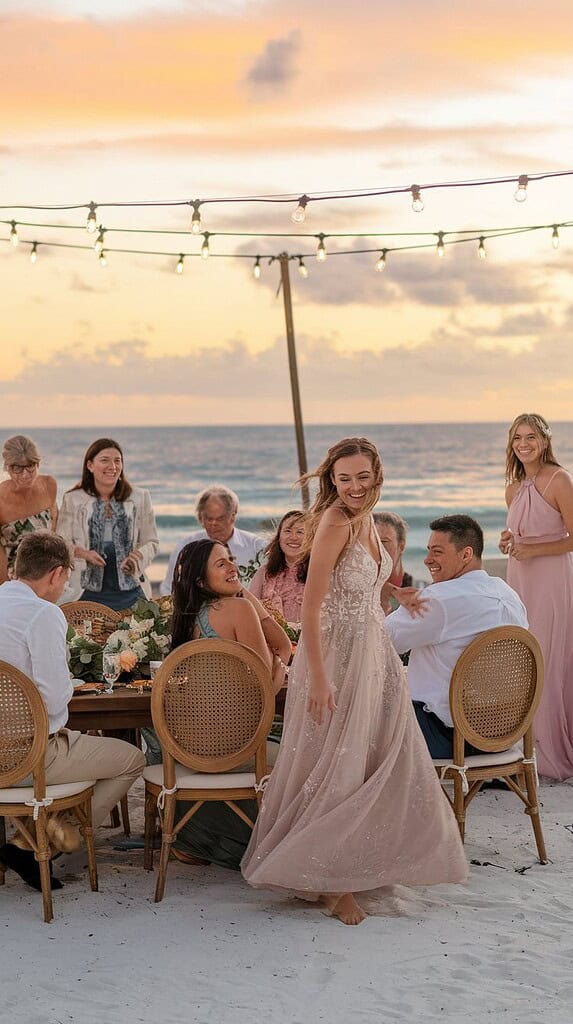
Destination weddings naturally limit your guest list to those who truly matter. With fewer people attending, you can spend quality time with each guest instead of rushing through brief hellos.
Your smaller gathering creates a cozy atmosphere where everyone gets to know each other. This often leads to meaningful connections between family members who might not otherwise interact much.
The intimate setting allows for more personalized touches too. You can splurge on special welcome bags, upgraded meal options, or unique activities that would be too costly with a larger group.
Stunning Backdrops
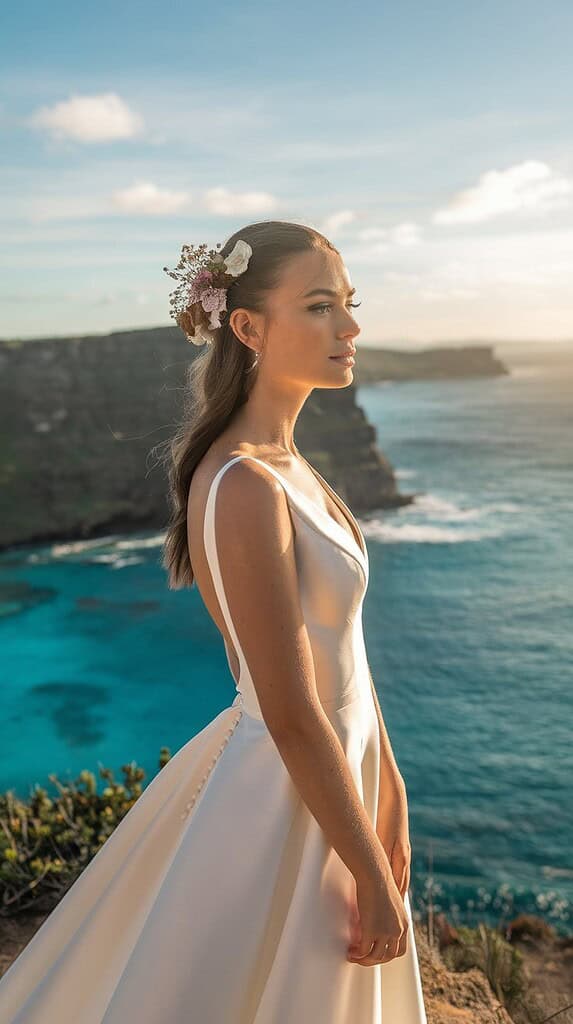
Your wedding photos will showcase breathtaking scenery that no local venue can match. Imagine exchanging vows against mountain peaks, crystal blue waters, or historic architecture.
These natural settings often require minimal decoration. The location’s beauty does the heavy lifting, saving you money on elaborate floral arrangements or expensive decor.
Weather tends to be more predictable in popular destination wedding locations like the Caribbean or Mediterranean. Many resorts offer backup plans for rain, giving you peace of mind.
Your backdrop becomes part of your love story forever. Years later, you can return to celebrate anniversaries in the same magical place where you began your marriage journey.
Unique Experiences for Guests
Your wedding becomes a vacation for everyone involved. Guests can explore local attractions, try new foods, and make memories beyond just your ceremony.
Group activities like snorkeling trips, winery tours, or cooking classes create shared experiences. These pre-wedding events help break the ice between different friend groups and family members.
Many destinations offer cultural elements you can incorporate into your celebration. Local music, traditional dances, or regional cuisine add authentic touches guests won’t experience at home.
Your loved ones often appreciate the excuse to travel somewhere new. In surveys, over 60% of destination wedding guests report being happy about the opportunity to visit a place they might not have chosen on their own.

Wedding and Honeymoon in One
Staying in your wedding location for your honeymoon saves both time and money. No need to pack up and travel again after your celebration—just wave goodbye to guests and begin your romantic getaway.
Many resorts offer special packages when you combine wedding and honeymoon stays. These often include room upgrades, spa credits, or complimentary romantic dinners.
You’ll already be familiar with the area, making it easier to relax. No stress figuring out new transportation or searching for restaurants—you can immediately shift into vacation mode.
The transition feels seamless and natural. One day you’re celebrating with loved ones, and the next you’re enjoying peaceful alone time in the same beautiful location.

The Cons of Destination Matrimony
While destination weddings offer romance and adventure, they also come with significant challenges that can affect your special day. These drawbacks deserve careful consideration before you commit to saying “I do” far from home.
Logistical Complexities
Planning a wedding from afar creates unique hurdles that local ceremonies don’t face. You’ll need to coordinate with vendors you may never meet in person before your big day. Language barriers can make simple communications frustrating and lead to misunderstandings about your vision.
Time zone differences mean late-night or early-morning calls to finalize details. Many brides find themselves relying heavily on hotel wedding coordinators who juggle multiple events simultaneously.
Weather concerns become more significant too. Tropical destinations face hurricane seasons, while mountain venues might deal with unexpected snow. Without a backup plan, your ceremony could be ruined by elements beyond your control.

Potential for Limited Guest Attendance
One of the biggest downsides is that many of your loved ones simply won’t be able to attend. Elderly relatives may have health restrictions that prevent travel. Friends with young children might find the logistics too challenging.
The financial burden may be too much for others, even if they desperately want to celebrate with you. This often means your guest list shrinks dramatically compared to a hometown wedding.
Some guests might need to use precious vacation days, which can create pressure and resentment. You might hear “I wish I could come, but…” more often than you’d like.
This smaller attendance can lead to hurt feelings among those who can’t make it. You may miss important people on your special day, leaving you with mixed emotions despite the beautiful setting.
Added Expenses for Attendees
Your guests will face substantial costs beyond what a local wedding would require. Airfare, accommodations, meals, and transportation can quickly add up to thousands of dollars per person or couple.
Many attendees will need to extend their trip beyond just your wedding day, turning your celebration into a major financial commitment. This expense comes on top of traditional wedding gifts, adding another layer of cost.
You might feel pressured to subsidize certain guests or awkwardly address questions about financial help. Some friends may go into debt just to attend your celebration.
The financial strain can create tension between you and guests who feel burdened by the expectation to attend. Remember that not everyone has budgeted for an international trip, even for someone they care about deeply.

Legal and Documentation Issues
Different countries have varying marriage requirements that can be complicated to navigate. Some locations require residency periods before you can legally marry there, which might extend your trip by days or weeks.
Document authentication, blood tests, and translated paperwork may be necessary depending on your destination. You’ll need to research these requirements months in advance to avoid last-minute surprises.
Some couples discover they need a legal ceremony in their home country anyway, essentially getting married twice. This creates additional paperwork and costs you might not have anticipated.
Privacy laws differ internationally too, potentially affecting your ability to share photos or videos from your ceremony. These legal hurdles can add stress to what should be a joyful experience.

Making Your Decision
Deciding whether to have a destination wedding requires careful thought about what matters most to you and your partner. The right choice balances your personal vision with practical considerations.
Considering Personal Preferences
Think about what you truly want for your special day. Close your eyes and imagine your ideal wedding. Does the thought of saying “I do” on a tropical beach make your heart race? Or do you feel more comfortable celebrating closer to home?
Your relationship story matters too. Perhaps you met while traveling or share a love for a specific destination. A place with meaning can add depth to your celebration.
Consider your stress tolerance. Destination weddings often require letting go of some control and trusting local vendors. If you’re detail-oriented, decide if you can handle planning from afar or if you need a wedding planner.
Remember that this day is about you and your partner. Choose what feels authentic to your relationship, not what’s trending.

Evaluating Budget and Guest List
Break down the costs of both options side-by-side. Destination weddings can sometimes be cheaper overall but more expensive per guest. Factor in travel, accommodation, and currency exchange rates.
Your guest list directly impacts your budget. Ask yourself: Who must be there? Some loved ones may not be able to attend due to health, finances, or schedule conflicts. Are you comfortable with a smaller celebration?
Consider creating a priority tier system:
- Tier 1: Cannot imagine getting married without them
- Tier 2: Would love to have them, but understand if they can’t make it
- Tier 3: Would include if having a local wedding
Be honest about who might struggle to attend. Elderly relatives, friends with young children, or those with limited vacation time may find it difficult.

Planning Resources and Support
Research destination wedding packages. Many resorts offer dedicated wedding coordinators who handle local arrangements.
These experts know local vendors and can navigate permit requirements.
Communication tools are essential for planning from afar.
Use:
- Video calls with vendors
- Planning apps that work offline
- Digital mood boards to share your vision
Consider hiring a wedding planner who specializes in destination weddings. They’ll help with logistics like:
- Legal requirements for marrying abroad
- Language barriers
- Shipping items to your location
Visit your destination before the wedding if possible. This gives you a chance to meet vendors, see venues, and feel more confident in your choice.
Remember that time zones and cultural differences may affect response times.
Start planning earlier than you would for a local wedding to reduce stress.